
Selling camera gear doesn’t require living near a capital city or handing equipment to a stranger in a car park. Across Australia, photographers regularly post your camera to professional buyers safely and securely. The key is understanding how to pack properly, insure correctly, and work with a process designed for high-value equipment.
If you’re concerned about shipping camera Australia-wide, this guide is written to remove that fear. It explains exactly how to pack camera bodies and lenses, how insurance works, and why insured shipping makes remote selling just as safe as handing gear over in person.
This is a practical, step-by-step guide you can follow with confidence.
Why Posting Your Camera Is Safer Than You Think
Most damage during shipping doesn’t come from distance. It comes from poor packing and unclear responsibility. When cameras are packed correctly and shipped with tracking and insurance, the risk is extremely low.
Professional camera buyers handle incoming shipments every day. They expect to receive valuable, fragile equipment and assess it immediately on arrival. That experience is what makes posting gear safer than many private handovers, where payment, condition, and accountability are often unclear.
Remote sellers benefit most from structured shipping because every step is documented, insured, and traceable.
How To Post Your Camera: Step-by-Step Guide
Follow these steps to pack and post and your camera for selling:
Step 1: Prepare the Camera Before Packing
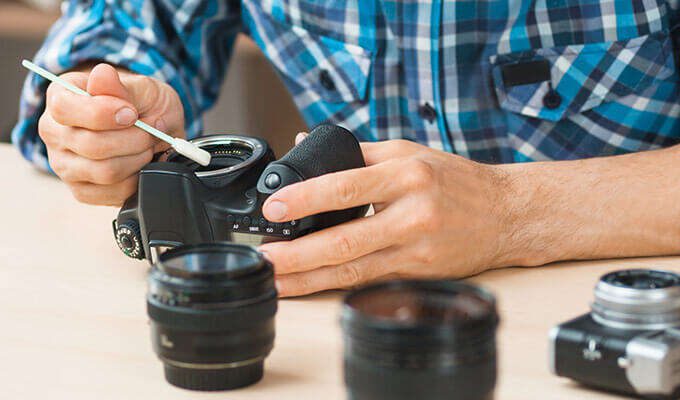
Before you think about boxes or bubble wrap, prepare the camera itself. This prevents damage caused by loose components or pressure during transit.
For camera bodies:
-
Turn the camera off and remove the battery
-
Remove memory cards
-
Attach a body cap to protect the sensor mount
-
Reset settings if requested by the buyer
For lenses:
-
Remove the lens from the camera body
-
Fit both front and rear lens caps
-
Leave filters on if removal feels tight or risky
This preparation ensures nothing shifts or rubs internally during transit.
Step 2: Wrap Each Item Individually
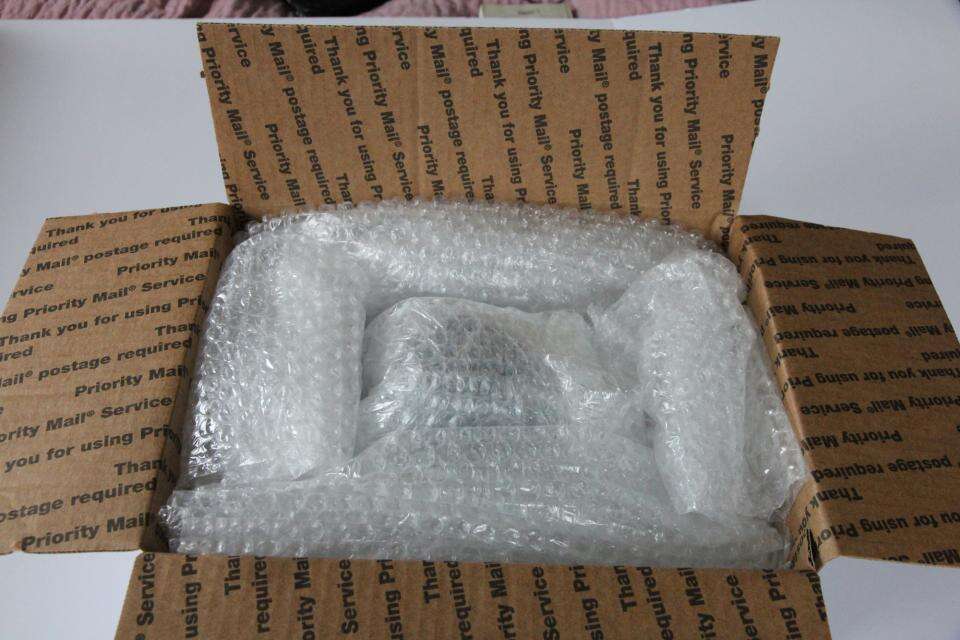 Each piece of gear should be wrapped on its own. Never allow items to touch inside the box.
For camera bodies, wrap the body in several layers of bubble wrap, paying attention to corners, dials, and mounts. Secure the wrap so it cannot loosen during transit.
For lenses, start by wrapping the barrel evenly, then add extra protection around the front and rear elements. This is especially important when learning how to post a lens, as optical elements are vulnerable to impact.
Avoid using loose paper, clothing, or towels as primary padding. These compress under weight and do not absorb shock reliably.
Step 3: Use the Right Box Strategy
The safest method is double-boxing, particularly for higher-value gear.
First box:
-
Place the wrapped item in a sturdy box
-
Fill all empty space with firm padding so nothing moves
-
Gently shake the box to confirm zero movement
Second box:
-
Place the first box inside a larger outer box
-
Add padding on all sides
-
Seal securely with quality packing tape
Original boxes are helpful but not required. Protection matters more than branding.
Step 4: Label and Seal Properly
Once packed, seal all box seams thoroughly. Reinforce corners if the parcel is heavy.
Label the parcel clearly with the address provided by the buyer. Avoid writing “camera” or “electronics” on the outside. Discreet packaging reduces unnecessary attention during transit.
Keep a photo of the packed box before sending. This is helpful for insurance documentation if ever required.
Step 5: Choose the Right Shipping Method
When shipping camera Australia-wide, always use:
-
A reputable courier or postal service
-
Tracking with delivery confirmation
-
Signature on delivery where possible
Never ship valuable gear without tracking. Tracking protects both seller and buyer and ensures accountability at every stage.
Step 6: Insure the Shipment Correctly
Insurance is not optional when sending camera gear. It’s a core part of safe remote selling.
When arranging insured camera shipping, get insurance for the parcel for the full declared value of the gear. Under-insuring to save money exposes you to unnecessary risk.
Insurance covers:
-
Loss during transit
-
Damage caused by handling
-
Courier errors
If a parcel is damaged or delayed, insurance ensures the outcome is resolved financially rather than emotionally.
Step 7: Understand How PhotoCo’s Insured Shipping Works
For sellers working with PhotoCo Camera House, shipping is designed to remove uncertainty.
PhotoCo provides clear guidance on:
-
How to pack bodies and lenses safely
-
Which courier services are appropriate
-
How to insure the parcel correctly
Once the gear arrives, it is assessed promptly. Communication is clear, and you’re kept informed throughout the process. This structure removes the common anxiety associated with posting valuable equipment.
For many sellers, especially those outside major cities, this insured process is significantly safer than meeting private buyers or relying on informal arrangements.
Step 8: What Happens After the Camera Arrives
Once received, the gear is unpacked carefully and assessed against the condition details you provided. Because the packing process is consistent and professional, there’s rarely any ambiguity about transit conditions .
.
If everything matches expectations, the valuation proceeds without delay. Clear preparation and secure shipping are what make this possible.
Common Shipping Mistakes to Avoid
A few avoidable errors cause most shipping issues:
-
Using boxes that are too large without firm padding
-
Allowing items to move inside the parcel
-
Shipping without insurance
-
Leaving batteries installed
-
Using low-quality tape
Avoiding these mistakes dramatically reduces risk.
Why Remote Selling Works So Well
Posting your camera removes geographic limitations. You’re no longer restricted to local buyers or stores. Instead, you can work with specialists who understand camera gear and value it correctly.
For sellers in regional or remote areas, this levels the playing field. With proper packing and insured shipping, distance becomes irrelevant.
Confidence Comes From Process, Not Proximity
The safest camera sales aren’t defined by how close the buyer is. They’re defined by preparation, insurance, and accountability.
When you know how to post your camera correctly, use insured shipping, and follow a clear process, remote selling becomes straightforward rather than stressful.
With the right steps, insured camera shipping protects your gear, your time, and your peace of mind.


