
Preparing your camera properly before selling or trading it in is one of the most effective ways to protect its value. Small, practical steps can make a meaningful difference to how your gear is assessed, how smoothly the process runs, and how confident the buyer feels making an offer. Just as important is knowing what not to do, as unnecessary fixes or over-cleaning can quietly reduce value.
If you want to prepare your camera for sale the right way, the goal is not perfection. The goal is clarity. This guide explains how to clean and present your camera responsibly, what accessories to include, which repairs to avoid, and how thoughtful preparation supports stronger valuation outcomes. It also helps set realistic expectations if you’re learning how to sell a camera for the first time.
Why Preparation Matters for Valuation
Buyers don’t just assess specifications. They assess risk. A camera that is clearly presented, complete, and easy to test carries less uncertainty than one that arrives dirty, partially configured, or missing accessories. Less uncertainty usually leads to more confident pricing.
Poor preparation raises questions. Is the camera fully functional? Has it been heavily used? Are there hidden issues? When buyers have to guess, they tend to price conservatively. Good preparation removes those unknowns and supports a fairer assessment.
Importantly, preparation does not require professional servicing or cosmetic restoration. It requires restraint, honesty, and attention to detail that matter to buyers.
Clean Your Camera Carefully

Many sellers assume that cleaning means making the camera look brand new. In reality, aggressive cleaning is one of the most common ways value is lost. Buyers expect normal signs of use and are wary of cameras that look overworked or altered.
How to Clean a Camera Before Selling
If you’re planning to clean camera before selling, stick to light, surface-level cleaning:
-
Wipe the exterior with a soft microfiber cloth
-
Remove surface dust around buttons, dials, and grips
-
Gently clean the LCD with a screen-safe cloth
-
Use a manual blower to remove loose dust
This level of cleaning improves presentation without introducing risk. Minor cosmetic wear is acceptable and often expected.
What Not to Clean Yourself
Avoid any cleaning that could damage components:
-
Do not touch the sensor with swabs unless experienced
-
Do not use compressed air or household cleaners
-
Do not polish lens glass or camera bodies
-
Do not attempt internal cleaning
Over-cleaned cameras can look suspicious, and damage caused during cleaning often reduces value far more than light dust ever would.
Reset Settings Before Handing Over the Camera
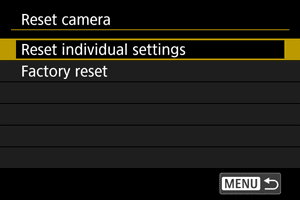
Resetting your camera to factory defaults is a simple step that helps buyers test it properly. Custom settings, remapped buttons, or stored connections can interfere with evaluation and slow the process.
Before submission:
-
Restore factory default settings
-
Remove custom button assignments
-
Clear saved Wi-Fi and Bluetooth connections
-
Log out of manufacturer apps if applicable
Resetting does not erase usage history, such as shutter count. It simply ensures the camera behaves predictably during assessment.
If you’re unsure where the reset option is, a basic menu reset is sufficient. There’s no need to reinstall firmware unless specifically advised.
Include the Right Accessories
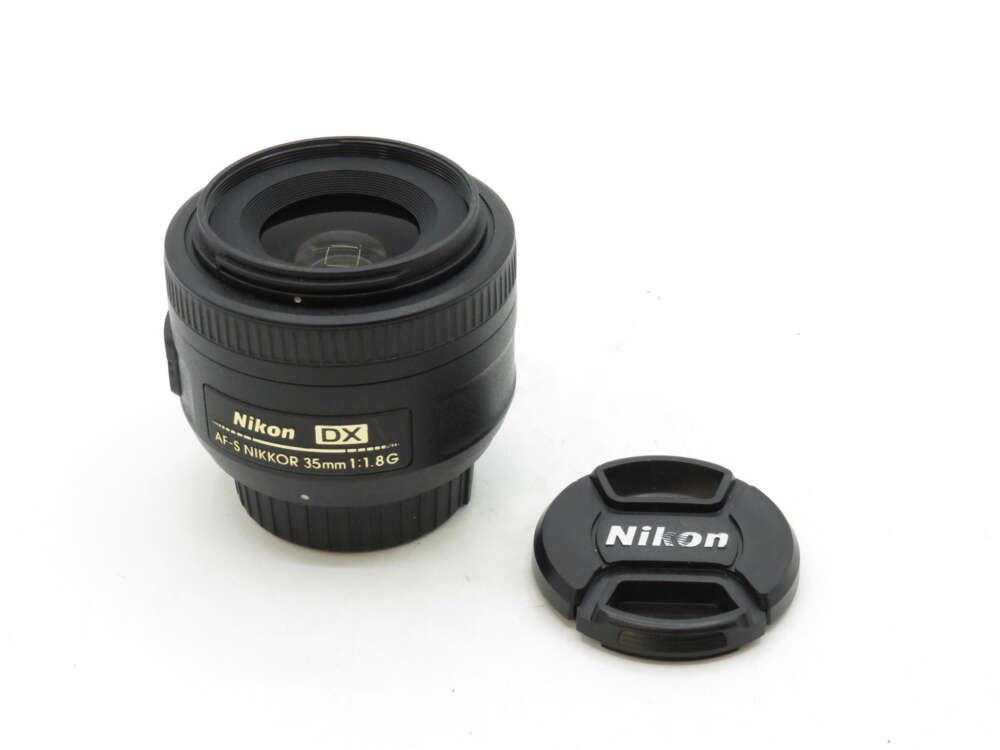 Accessories don’t usually add large amounts of value on their own, but they play an important role in how confidently a buyer can assess your camera. A complete setup signals careful ownership and reduces uncertainty around how the gear has been used and maintained. When accessories are missing, buyers often need to factor in replacement costs or additional checks, which can affect the final offer.
Where possible, include the original battery or batteries that came with the camera, along with the manufacturer charger and cables. Body caps, front and rear lens caps, and lens hoods should also be included, as these protect the equipment and suggest it has been stored properly. Tripod plates, grips, or other system-specific accessories should stay with the camera if they are part of how it was used.
Original boxes and documentation can help, especially for higher-value gear. While packaging doesn’t dramatically increase value on its own, it improves resale confidence and makes the gear easier to handle and ship safely. If boxes are no longer available, that’s usually fine, provided the camera and accessories are packaged securely.
Be Clear and Honest About Condition
Transparency builds trust and protects valuation outcomes. Buyers expect used cameras to show wear. Problems arise when issues are hidden or minimised.
Before selling, make a simple note of:
-
Shutter count, if available
-
Any known faults or quirks
-
Cosmetic wear, such as scuffs or paint loss
-
Past servicing or repairs
Disclosing this information upfront prevents reassessment later. In many cases, honest disclosure results in better outcomes because buyers can price accurately instead of defensively.
What You Should Not Fix Before Selling
Trying to fix issues before sale is often counterproductive. DIY repairs and temporary fixes frequently cause more harm than good.
Avoid:
-
Opening the camera body or lens
-
Attempting DIY sensor cleaning without experience
-
Fixing sticky buttons or dials yourself
-
Masking faults with short-term workarounds
If the camera has a known mechanical issue, disclose it. Professional buyers factor repair costs into valuations far more accurately than sellers guessing repair outcomes.
Professional servicing may make sense in rare cases, but only if the repair cost is clearly outweighed by the increase in resale value. When unsure, ask before acting.
Preparing Lenses and Separate Gear
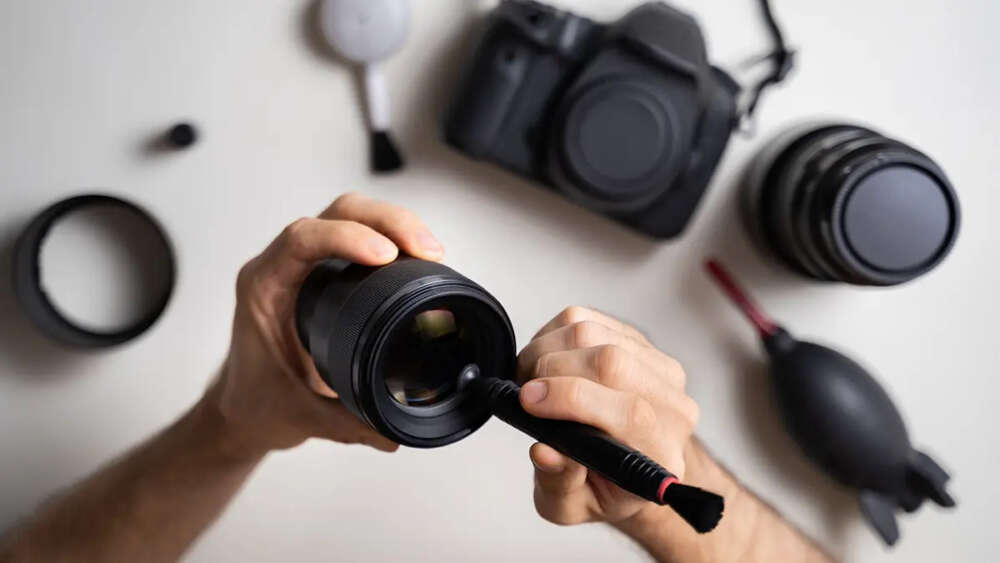 Lenses should be prepared with the same care and restraint as camera bodies.
Best practice includes:
-
Light exterior cleaning only
-
Installing front and rear caps
-
Leaving filters in place if removal is difficult
Do not attempt fungus removal or internal lens cleaning. Fungus, haze, or optical issues should be disclosed, not treated at home. Poor repair attempts permanently reduce lens value.
For accessories such as flashes or battery grips, ensure they power on and include required cables or batteries.
Why Bundling Gear Helps Assessment
Bundling gear makes it easier for buyers to understand how your equipment fits together and how it can be resold. A camera body presented alongside compatible lenses and accessories forms a complete, working setup rather than a collection of isolated items. This reduces uncertainty during assessment and allows buyers to evaluate the gear in context.
When items are bundled, resale pathways are clearer. Kits are generally easier to move than individual components, particularly when lenses cover common focal lengths, and accessories complete the setup. Bundling also reduces handling and logistics complexity, which lowers risk for the buyer.
As a result, bundled gear often supports stronger overall valuations. Even when individual item values appear similar, presenting a cohesive kit improves confidence and efficiency, which can positively influence the final offer.
Package Gear Properly for Shipping
If shipping your camera, packaging is part of the preparation. Poor packaging introduces a risk that buyers must account for.
Use:
-
Enough padding to prevent movement
-
Separate wrapping for lenses and bodies
-
Double-boxing for higher-value gear
Unless instructed otherwise, remove batteries before shipping. Clear, careful packaging supports a smoother assessment process.
Preparation Builds Trust and Better Outcomes
Buyers assess large volumes of gear. Cameras that arrive clean, reset, complete, and honestly presented stand out immediately. That trust influences how confidently buyers can value the equipment.
Preparing your camera properly is one of the easiest ways to support a fair outcome when deciding how to sell a camera, whether privately or through a trade-in.
A Better Sale Starts With the Right Valuation
You don’t need to restore your camera or hide signs of use. You need to present it clearly, responsibly, and without unnecessary intervention.
Once your camera and gear are prepared, the next step is getting a clear, professional valuation. Booking a valuation with Paul gives you the opportunity to understand what your equipment is realistically worth and why. The assessment is handled by a real specialist who reviews your camera, lenses, and accessories in context, rather than relying on automated pricing or generic averages.


