
Sell DSLR Cameras in Australia: What You Need to Know
DSLR cameras may no longer dominate new product launches, but that doesn’t mean they’ve lost their place or their value. Across Australia, many photographers are still actively buying, using, and reselling DSLR gear. Some are upgrading to mirrorless systems, others are downsizing collections, and many are dealing with inherited or unused equipment that’s been sitting quietly in a cupboard.
If you’re planning to sell DSLR camera gear, understanding how the Australian resale market actually works can save you time, money, and frustration. Demand hasn’t disappeared, but it has shifted. Certain models still hold strong value, while others have softened significantly. This guide explains where DSLR demand sits today, which Canon and Nikon models continue to perform well on the resale market, and when a trade-in makes more sense than selling privately.
Is There Still Demand for DSLRs in Australia?
Yes, but it’s selective. While mirrorless cameras have taken the spotlight, DSLRs remain popular with several groups of buyers. Many photographers value their optical viewfinders, battery life, rugged build quality, and proven reliability. Others are drawn to the affordability of second-hand DSLR gear compared to newer mirrorless systems.
In the Australian market, demand tends to come from:
-
Enthusiasts looking for high-end gear at reduced prices
-
Professionals who prefer established DSLR workflows
-
Students and hobbyists entering photography at a lower cost
-
Buyers with existing Canon or Nikon DSLR lens collections
This means resale value depends less on the category “DSLR” and more on the specific model, condition, and system support. Knowing where your camera fits into this picture is essential before deciding how to sell.
Canon and Nikon DSLR Models That Still Hold Value
Not all DSLRs are treated equally on the second-hand market. Entry-level bodies depreciate faster, while well-regarded mid-range and professional models remain in demand.
Canon DSLR Models with Ongoing Demand
 Canon’s ecosystem remains one of the strongest in Australia due to its extensive EF lens lineup and long-term support. Models that still perform well on the resale market include:
-
Canon 5D series, particularly the Mark III and Mark IV
-
Canon 6D and 6D Mark II
-
Canon 7D Mark II
-
Canon 90D
These cameras are valued for their image quality, durability, and compatibility with a wide range of professional lenses. When paired with original accessories and well-maintained shutters, they continue to attract buyers.
Nikon DSLR Models That Retain Resale Strength
 Nikon DSLRs also maintain strong resale demand, especially among photographers with existing F-mount lenses. Popular models include:
-
Nikon D850
-
Nikon D810
-
Nikon D750
-
Nikon D500
These cameras are respected for their sensor performance, dynamic range, and robust build. Full-frame Nikon bodies, in particular, tend to hold value better than entry-level options.
What Determines DSLR Resale Value?
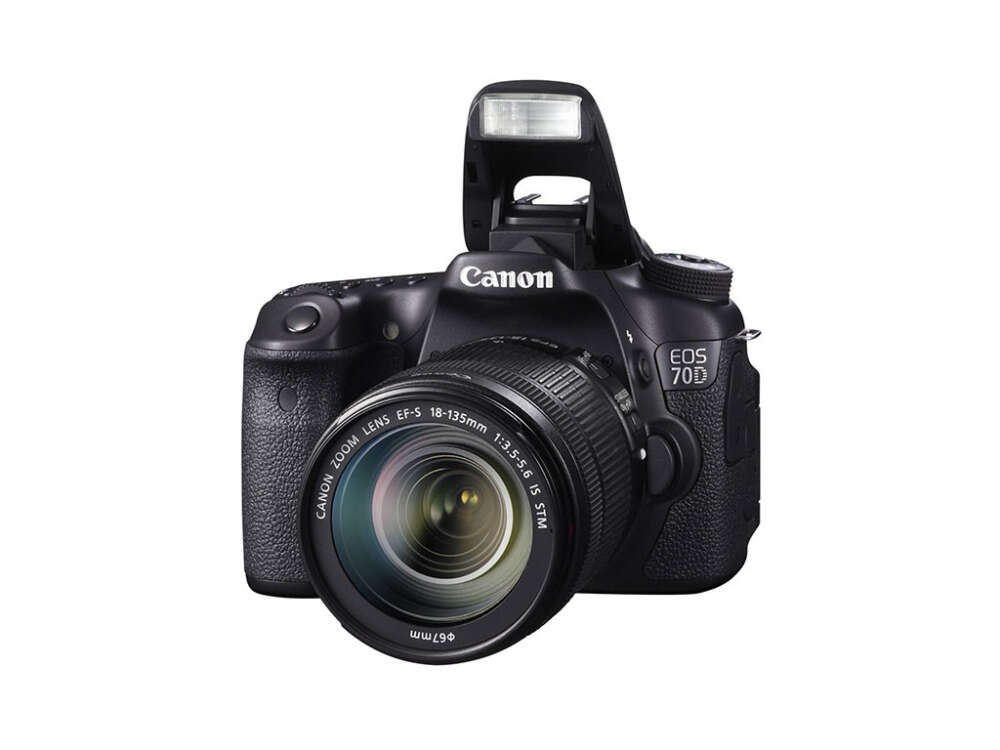 Understanding pricing helps set realistic expectations when you sell used DSLR camera Australia wide. Buyers and professional assessors typically focus on a few key factors.
Mechanical condition matters more than cosmetic wear. A DSLR with visible scuffs but a healthy shutter count and accurate autofocus will often be valued higher than a clean-looking body with mechanical issues.
Other factors that influence value include:
-
Shutter count and overall mechanical wear
-
Sensor condition and internal cleanliness
-
Autofocus accuracy and consistency
-
Firmware support and system relevance
-
Included accessories, boxes, and documentation
Lenses also play a role. DSLR kits bundled with high-quality lenses often perform better than bodies sold alone, especially when the lenses are popular focal lengths.
Private Selling vs Trade-In: Which Makes More Sense?
Many sellers assume private selling is always the best way to maximise return. In practice, the decision depends on your priorities.
Private selling through platforms like eBay or Marketplace can sometimes achieve a higher headline price, particularly for popular DSLR models. However, it comes with trade-offs that aren’t always obvious at the start.
Private selling usually involves:
-
Pricing uncertainty and repeated negotiations
-
Platform or payment fees
-
Time spent answering enquiries
-
Risk of scams, disputes, or returns
-
Shipping liability until the buyer is satisfied
For experienced sellers with time and patience, this may be manageable. For others, especially those selling unfamiliar or inherited gear, it quickly becomes stressful.
When a Trade-In Makes More Sense
A camera store trade-in or direct sale is often the better option when certainty, speed, and safety matter. Trade-ins work particularly well when:
-
You’re upgrading to newer gear
-
You want to avoid scams and disputes
-
You don’t want to manage listings or shipping risks
-
You value a clear, upfront outcome
Rather than chasing the highest possible private sale price, a trade-in offers a realistic net return with no hidden costs.
Side-by-Side Comparison
Here’s a practical comparison to help clarify the difference:
| Aspect | Private Selling | Camera Store Trade-In |
|---|---|---|
| Time investment | High | Low |
| Fees | Platform and payment fees | None |
| Scam risk | Present | None |
| Returns risk | Seller responsibility | No returns |
| Pricing certainty | Unpredictable | Clear upfront offer |
| Best suited for | Experienced sellers | Sellers wanting simplicity |
The “higher price” of private selling doesn’t always translate into a better overall outcome.
Why DSLR Trade-Ins Are Popular During System Changes
As more photographers move to mirrorless systems, DSLR trade-ins have become a common pathway. Trade-in credit can be applied directly toward new gear, reducing the upfront cost of upgrading without needing to manage a private sale first.
This approach is especially useful for professionals who want minimal downtime or for hobbyists who prefer a straightforward transition rather than juggling multiple transactions.
Choosing the Right Buyer Matters
Not all buyers assess DSLR gear the same way. Automated pricing tools often undervalue cameras by relying on overseas listings or outdated data. DSLRs vary widely in condition and usage history, which algorithms struggle to interpret accurately.
Human valuation matters, particularly for higher-end Canon and Nikon bodies. Experienced assessors understand which models still sell, which shutter counts are acceptable, and how accessories and condition affect resale in the Australian market.
Why PhotoCo Camera House Is a Trusted Option To Sell DSLR Cameras
PhotoCo Camera House specialises in buying and trading camera gear Australia-wide. Every DSLR valuation is handled by a real person with hands-on experience, not an automated system.
PhotoCo offers:
-
Human-led valuations based on real market demand
-
Options for cash sale or trade-in credit
-
Clear guidance on shipping and assessment
-
No obligation to proceed
This approach is particularly helpful for sellers who want clarity before deciding how to sell.
Before listing your gear online or accepting an offer elsewhere, it’s worth knowing what your DSLR is realistically worth. A professional valuation gives you a clear benchmark and removes guesswork.
You can book a free camera valuation with Paul. He’ll review your DSLR gear, explain how the value is determined, and help you decide whether private selling or a trade-in makes more sense for your situation.
If you’re ready to sell DSLR camera equipment or want guidance on how to sell used DSLR camera Australia wide without stress, starting with a professional valuation is the simplest next step.


