
Selling a camera often starts with good intentions and ends with frustration. Many Australians list their gear online expecting a quick sale, only to face endless questions, price pressure, and unexpected risks. Others consider walking into a camera store, but worry they’ll lose money compared to selling privately.
If you’re deciding whether you want to sell a camera on eBay vs trade it in, the right answer depends on what you value most: maximum control or minimum stress. This guide compares private selling on platforms like eBay and Marketplace with selling to a camera dealer, looking closely at fees, scams, time investment, returns, and shipping responsibility.
Selling Privately Online: How It Really Works
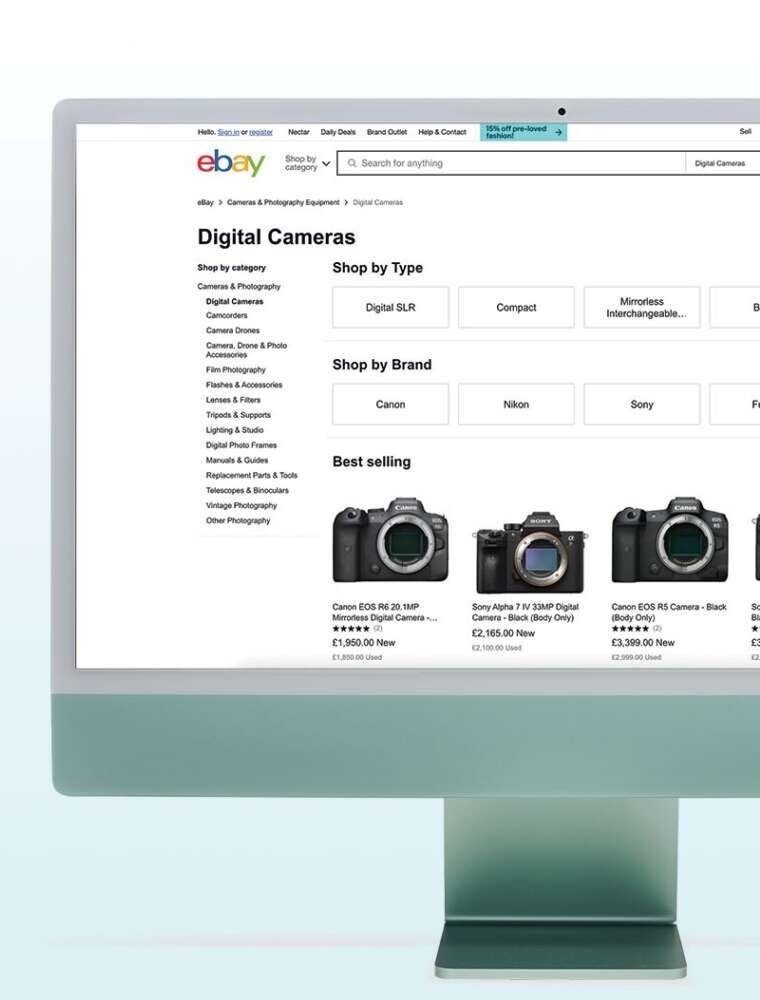
Online platforms like eBay, Facebook Marketplace, and Gumtree attract many sellers because they promise reach and control. You set the price, choose the buyer, and manage the transaction directly.
For experienced sellers who understand camera values and have time to manage the process, private selling can work. Listings sometimes achieve strong prices, especially for popular models in good condition. However, that outcome depends heavily on effort, timing, and luck.
Private selling requires researching recent sales, not just advertised prices. Many listings remain unsold because sellers rely on what others are asking rather than what buyers are paying. During this time, market demand can soften, and cameras may lose value.
Fees and Costs: What You Actually Take Home
Private selling often looks more profitable on paper, but fees and indirect costs can significantly reduce the final amount.
Common private selling costs include:
-
Platform fees (especially on eBay)
-
Payment processing charges
-
Packaging materials and insured shipping
-
Travel or time spent meeting buyers
-
Price reductions to secure a sale
Camera stores don’t charge selling fees. The amount you’re offered is what you receive, either as cash or trade-in credit. While the offer may appear lower than an optimistic private listing, it’s a net figure with no deductions or uncertainty.
Scams and Fraud Exposure
 The risks of selling cameras online are one of the biggest reasons sellers abandon private platforms altogether. Even careful sellers can encounter problems.
Common risks include:
-
Fake payment confirmations
-
Chargeback fraud after shipping
-
Buyers requesting off-platform communication
-
Pressure to ship before payment clears
-
Disputes over condition despite honest descriptions
Once a dispute is opened, sellers often carry the burden of proof. Funds can be frozen for weeks, and outcomes aren’t always predictable.
Selling to a camera dealer removes these risks. There’s no anonymous buyer, no chargebacks, and no post-sale disputes once payment is made.
Time Cost: The Hidden Price
Time is rarely factored into selling decisions, yet it’s often the highest cost. Private listings can sit unsold for weeks or months if pricing is slightly off or demand shifts.
Private selling typically requires:
-
Ongoing message management
-
Re-listing or price adjustments
-
Follow-ups with non-committal buyers
-
Coordinating shipping or meet-ups
Camera store trade-ins are designed to reduce this load. You submit details, receive a valuation, and decide whether to proceed. For sellers who want closure or are handling inherited gear, this efficiency matters.
Returns and After-Sale Risk
Returns are another stress point for private sellers. Buyers may request refunds due to misunderstanding, buyer’s remorse, or unrealistic expectations, especially with older or film-era equipment.
With private sales:
-
Return shipping often falls on the seller
-
Damage during the return transit becomes a dispute
-
Sellers may receive gear back in worse condition
Camera dealers assess equipment before purchase. Once the offer is accepted, the transaction is final. There are no returns, renegotiations, or after-sales complications.
Camera Store Trade-In: How It Works and Who It’s Best For
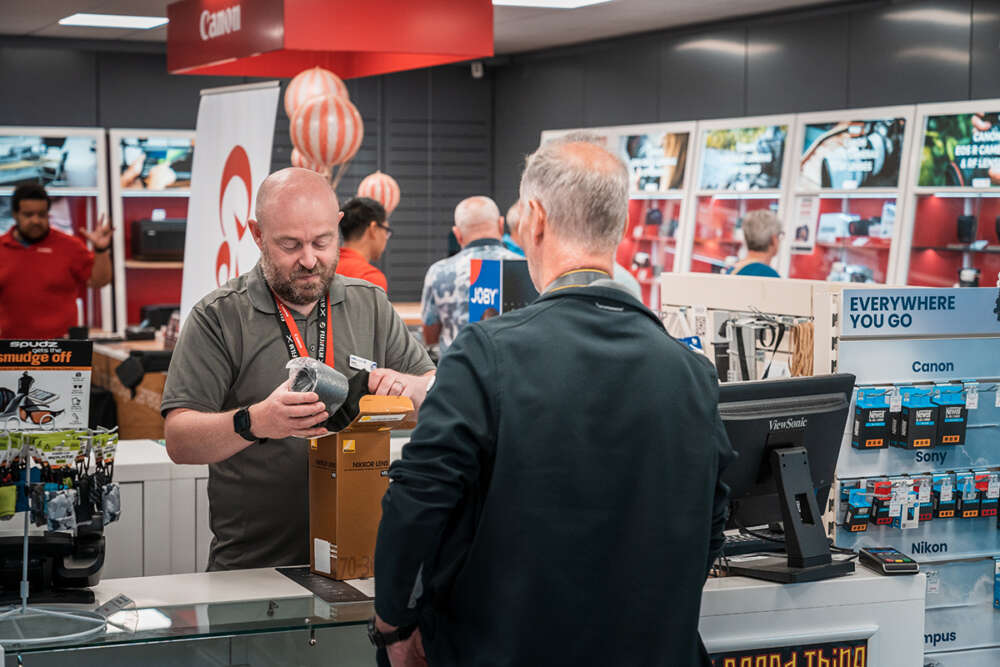 A camera store trade-in is designed to remove the uncertainty and workload that comes with selling privately. Instead of listing your gear, managing enquiries, or negotiating with buyers, you deal directly with a professional retailer who assesses the equipment and makes a clear offer.
The process usually starts with you providing basic details about your camera or lenses, including model, age, condition, and any accessories. A specialist then evaluates the gear based on real resale demand, mechanical condition, and current market movement in Australia. This assessment isn’t about optimistic asking prices; it’s about what the equipment can realistically be resold for.
Once assessed, you’re given an offer. Depending on the store, this may be a cash payout, trade-in credit, or both. Trade-in credit is often higher and is commonly used by photographers who are upgrading bodies, changing systems, or replacing older lenses. Cash sales suit sellers who simply want money back without committing to a new purchase.
A key advantage of store trade-ins is certainty. There are no platform fees, no buyer negotiations, and no risk of scams or payment reversals. Once you accept the offer, the transaction is final. There are no returns, disputes, or after-sales complications to manage.
Trade-ins are particularly well suited to:
-
Sellers who want a fast, predictable outcome
-
People selling inherited or unfamiliar camera gear
-
Photographers upgrading equipment without downtime
-
Anyone wanting to avoid online scams and shipping disputes
While a trade-in may not match the highest possible private sale price, it reflects a net outcome with no hidden costs or stress. For many Australians, that reliability and simplicity outweigh the potential upside of selling privately.
Side-by-Side Comparison
Here’s a practical comparison to make the differences clear:
| Aspect | Selling Privately (eBay / Marketplace) | Camera Store Trade-In |
|---|---|---|
| Fees | Platform and payment fees apply | No selling fees |
| Scam risk | High, varies by platform | None |
| Time required | High, ongoing | Low, streamlined |
| Returns risk | Seller responsibility | No returns |
| Shipping liability | Mostly seller’s risk | Clear, shared process |
| Pricing certainty | Unpredictable | Clear upfront offer |
| Best for | Experienced sellers | Sellers who want safety and speed |
When Private Selling Makes Sense
Private selling can still be suitable if:
-
You understand camera values well
-
You’re not under time pressure
-
The gear is common and easy to resell
-
You’re comfortable managing risk and disputes
It’s less suitable for inherited equipment, vintage gear, or sellers unfamiliar with condition grading and market behaviour.
When a Camera Dealer Is the Better Choice
A dealer trade-in or direct sale is often the better option when certainty and simplicity matter. This includes sellers who want to avoid scams, reduce time investment, or minimise emotional stress.
For anyone asking where to sell camera safely, a reputable camera store provides structure, accountability, and clarity that private platforms can’t guarantee.
Why PhotoCo Is the Hassle-Free Alternative
Not all dealers operate the same way, which is why choosing the right one matters. PhotoCo Camera House focuses on making the selling process clear, fair, and low-pressure.
PhotoCo buys camera gear Australia-wide and relies on human valuations rather than automated pricing tools. Each assessment is handled by an experienced specialist who understands real resale demand in the Australian market. Sellers can choose between cash payment or trade-in credit, with no obligation to proceed.
Before listing your camera online or committing to a sale, it helps to know what your gear is actually worth. A professional valuation provides a clear benchmark and removes guesswork. You can start by visiting PhotoCo’s valuation page and booking a free, no-obligation assessment with Paul. He’ll explain your camera’s value, outline your options, and let you decide what works best without pressure.
Clarity upfront often saves time, money, and stress—no matter which selling path you ultimately choose.


