
Selling used camera gear in Australia can feel confusing. Prices vary wildly, online marketplaces carry risk, and many photographers are unsure whether trading in or selling privately will give them the best result. Add in the changing demand for camera brands and models, and it’s easy to make a costly mistake.
This guide breaks down how selling cameras actually works in Australia. It explains the difference between trade-ins and private sales, how valuations are determined, and why who you sell to matters just as much as the price you’re offered. You’ll also learn how Australia-wide buying works, what affects resale value, and how to avoid common pitfalls when selling online.
Whether you’re upgrading, downsizing, or simply selling unused gear, this guide helps you sell with clarity, confidence, and realistic expectations.
Ways to Sell Used Cameras in Australia
Several options exist for selling used cameras in Australia, and each comes with its own trade-offs. The right choice depends on how quickly you want to sell, how much effort you’re willing to invest, and how much certainty you need around pricing and payment. Understanding these pathways helps you avoid frustration and choose the approach that fits your situation.
Trade-In with a Camera Store
Trading in your camera through a specialist store is one of the most straightforward options. The process typically involves submitting your gear details, receiving a valuation, and choosing between cash or store credit. Many photographers use trade-ins when upgrading to new equipment, as the value can be applied directly toward a replacement purchase.
Trade-ins make sense when convenience and certainty matter more than chasing the highest possible price to sell used cameras. Payment is predictable, there’s no need to manage listings or enquiries, and condition assessments are handled professionally. This option suits photographers who want a smooth transition to new gear without delays or uncertainty.
Selling Online Privately
Online marketplaces such as eBay, Gumtree, and Facebook Marketplace offer direct access to buyers. Sellers set their own prices and manage the entire process, from photography and descriptions to communication and shipping. While this route can sometimes achieve higher prices, it also requires more time and effort.
Pricing uncertainty is common, as listed prices don’t always reflect what buyers are willing to pay. Risk also increases through non-paying buyers, disputes, scams, and shipping issues. Private selling suits those comfortable handling negotiations and delays, and who understand the risks involved.
Direct Sale to a Specialist Buyer
Selling directly to a specialist camera buyer sits between trade-ins and private sales. This option usually offers a cash payment without requiring a purchase in return. Specialist buyers assess gear based on real market demand, condition, and resale viability, rather than automated pricing alone.
Compared to generic resale platforms, specialist buyers often deliver more consistent outcomes. Valuations tend to be fairer, communication clearer, and the process faster, especially for higher-end or professional equipment. This route suits photographers who value expertise, transparency, and a reliable result without the complexity of private selling.
How Camera Trade-Ins Actually Work
Camera trade-ins follow a structured process that ensures your gear is assessed fairly and consistently. While details may vary between retailers, reputable camera stores in Australia generally follow these key steps.
- Initial enquiry and gear details
The process starts when you submit information about your camera gear. This usually includes brand, model, age, shutter count (if available), and any accessories such as batteries, chargers, or boxes. Accurate details help avoid delays and ensure the valuation reflects the true condition of your equipment. - Condition assessment
Assessment looks at both cosmetic and mechanical condition. Cosmetic checks cover signs of wear like scratches, dents, or paint loss. Mechanical evaluation focuses on performance, including shutter accuracy, autofocus reliability, sensor cleanliness, and lens clarity. Functional performance often carries more weight than appearance alone. - Valuation logic
The valuation is based on current market demand, resale viability, and potential servicing costs. Cameras that are in demand or easy to resell typically receive stronger offers. Models requiring repairs or extensive cleaning may be adjusted to reflect those costs. - Offer stage: cash or trade-in credit
After assessment, you’ll receive an offer outlining cash value and, where applicable, a higher trade-in credit option. Trade-in credit is popular for photographers planning an upgrade, as it reduces the cost of new gear. - Payment or upgrade completion
Once accepted, cash payments are processed promptly. Trade-in credits are applied immediately, allowing you to complete your upgrade without unnecessary delays.
Automated pricing tools promise speed, but accuracy is often sacrificed. Camera gear is too nuanced to be reduced to averages and formulas, which is why PhotoCo relies on human expertise rather than algorithms.
Why PhotoCo Uses Human Valuations
Automated pricing tools can be useful for quick estimates, but they fall short when it comes to valuing camera gear accurately.
The Limits of Automated Pricing Tools
Most pricing algorithms pull data from online listings rather than confirmed sales. Asking prices, outdated listings, and overseas markets can skew results, especially in Australia where availability and demand differ significantly. These tools also fail to adapt quickly when certain models spike or drop in demand.
Cameras Aren’t Commodities
Two cameras of the same model can hold very different values. Factors that algorithms struggle to judge include:
- Shutter count and mechanical wear
- Firmware version and manufacturer support
- Lens condition, haze, fungus, or focus accuracy
- Service history and overall care
A clean-looking camera can be worth less than a worn one that’s mechanically sound.
How Human Valuations Protect Sellers
Experienced assessors understand how gear performs in real-world resale. Human valuations recognise desirable variants, popular lenses, and professional equipment that holds value beyond standard depreciation models. This approach helps prevent sellers from being underpaid due to incomplete data.
Where Algorithms Commonly Fail
Automated tools often undervalue:
- Professional and medium format cameras
- Discontinued models with strong demand
- Well-maintained gear that doesn’t fit standard depreciation curves
These gaps can result in offers far below fair market value.
PhotoCo Camera House provides expert, Australia-wide camera valuations handled by real people who understand photography and the local market.
What Determines the Value of Your Camera Gear
Understanding what actually drives resale value helps set realistic expectations and avoid disappointment during the selling process. Camera pricing isn’t arbitrary. It reflects a combination of brand demand, condition, and how easily the gear can be resold in the current Australian market.
Brand & Model Demand
Brand and model demand play a major role in how much your camera gear is worth on the resale market. Some brands consistently attract buyers because they have large user bases, strong lens ecosystems, and ongoing manufacturer support. Cameras and lenses that remain compatible with current systems are easier to resell and generally hold their value better.
Popular brands such as Canon, Nikon, Sony, and Fujifilm benefit from steady demand across both amateur and professional photographers. Even older models from these brands can perform well on the second-hand market if they remain reliable and supported. In contrast, niche or discontinued systems may struggle unless they have a dedicated following.
Premium and professional-focused brands often behave differently. Leica, Hasselblad, and Phase One equipment tends to depreciate more slowly, particularly for medium-format systems and high-end lenses. These brands appeal to photographers who value build quality, colour science, and long-term usability, which helps sustain demand even years after release.
Model relevance also matters. Flagship bodies, popular lens focal lengths, and well-reviewed models are easier to resell than entry-level or short-lived releases. Firmware updates, mount longevity, and compatibility with modern accessories all influence demand.
Condition
 Condition is one of the most important factors in determining your price when you sell used cameras, and it’s also the area where many sellers misunderstand what buyers actually prioritise.
Mechanical condition almost always matters more than cosmetic wear. A camera body with minor scuffs or paint wear can still command a strong valuation if it functions perfectly. Shutter count is a key indicator, as it reflects how much mechanical life the camera has left. A low or moderate shutter count suggests longevity, while a high count may reduce value, even if the body appears visually clean.
Cosmetic condition still plays a role, particularly for resale appeal. Deep dents, cracked housings, peeling rubber grips, or signs of impact can lower confidence in the gear’s overall integrity. Cosmetic damage doesn’t automatically disqualify a camera, but it often leads to closer scrutiny during assessment.
Optical and sensor conditions are critical, especially for lenses. Issues such as fungus, haze, scratches, or element separation can significantly reduce value. Even small patches of fungus can spread over time, making lenses harder or more expensive to resell. Sensors are checked for scratches, dead pixels, or corrosion, as these directly affect image quality.
When assessing the camera’s condition, buyers usually focus on:
- Shutter count and mechanical reliability
- Autofocus accuracy and consistency
- Sensor cleanliness and integrity
- Lens clarity, including fungus, haze, or scratches
- Signs of water damage or internal corrosion
Regular servicing and careful storage can make a noticeable difference. Gear that has been well maintained, stored in dry conditions, and used responsibly often holds its value far better than equipment that looks good but has underlying issues. Being honest about the condition also helps ensure smoother valuations and avoids delays or re-negotiations later in the selling process.
Lenses vs Camera Bodies
Lenses generally hold value better than camera bodies. Bodies depreciate faster as new models are released, while quality lenses remain usable across generations. Specialty lenses, fast primes, and professional zooms are typically more desirable than basic kit lenses.
Camera bodies are valued on usability and demand, while lenses are valued on optical condition, mount compatibility, and long-term relevance.
Accessories, Boxes & Service History
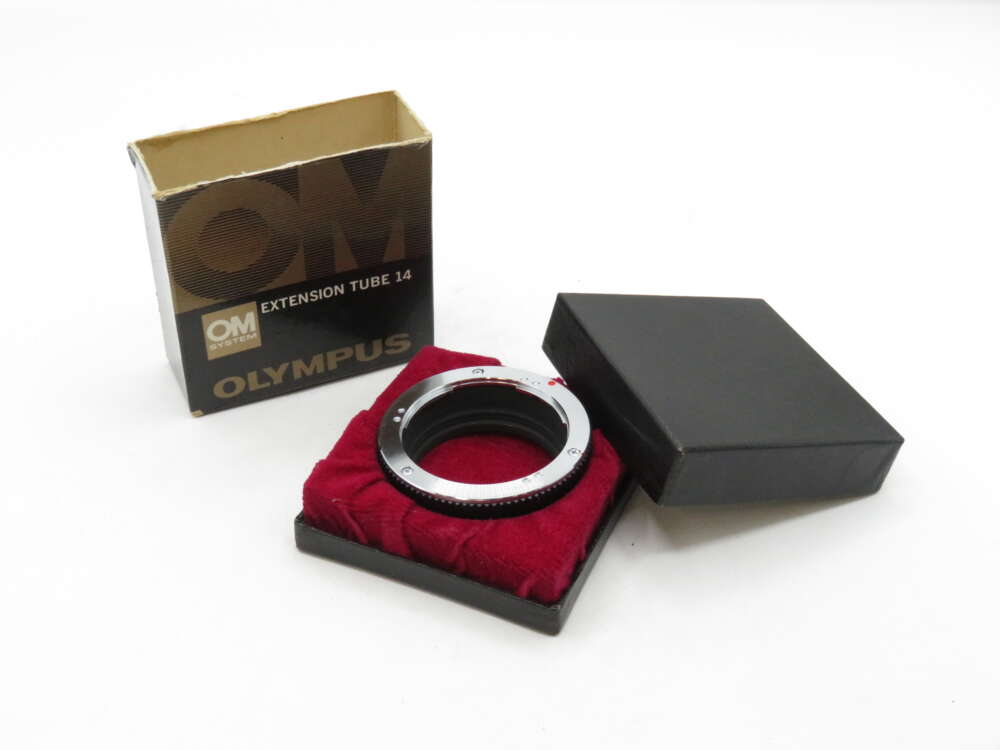 Accessories and documentation may seem secondary, but they can meaningfully influence the resale value of camera gear. Complete kits signal careful ownership and reduce uncertainty for the next buyer, which often translates into stronger offers.
Original accessories such as batteries, chargers, lens caps, hoods, and straps help confirm that the gear has been well looked after. Manufacturer-supplied items are usually preferred over third-party alternatives, particularly for professional or high-end equipment. Missing essentials won’t necessarily prevent a sale, but they can reduce value or slow down the resale process.
Original boxes and packaging add further confidence. While they don’t dramatically increase value on their own, they make gear easier to resell and ship safely. Boxes also suggest the owner took care to store the equipment properly rather than treating it as disposable.
Service history is especially important for professional bodies and lenses. Documented servicing, sensor cleaning, or shutter replacement shows that the gear has been maintained rather than neglected. This is particularly valuable for older models or high-use equipment, where maintenance directly affects longevity and reliability.
Not all extras add value. Generic filters, worn bags, or low-quality third-party accessories are usually treated as bonuses rather than price drivers. In contrast, original accessories and verified service records help reinforce trust, improve resale confidence, and support stronger valuations in the Australian market.
Selling Cameras Australia-Wide: How Shipping & Safety Works
Selling camera gear doesn’t require living near a major city. Australia-wide buying has become standard, and reputable specialist buyers are set up to handle logistics securely and efficiently.
Selling When You’re Outside a Capital City
Photographers in regional and remote areas can sell gear just as easily as those in metropolitan centres. Most specialist buyers accept shipments from anywhere in Australia and provide clear instructions on packaging and dispatch. This removes the need for travel, in-person meetings, or local buyer searches that often limit pricing options.
Secure Shipping Expectations
Safe shipping starts with proper preparation. Cameras and lenses should be packed carefully to prevent movement and impact during transit. Original boxes are helpful, but not essential if secure padding is used. Specialist buyers typically recommend:
- Double-boxing valuable items
- Removing batteries where required
- Protecting lenses and mounts individually
Clear packing guidelines reduce the risk of damage and speed up assessment on arrival.
Insurance, Tracking, and Risk Mitigation
Shipping high-value camera gear should always include tracking and insurance. Tracking ensures visibility throughout transit, while insurance protects against loss or damage. Most specialist buyers expect insured shipping and can advise on suitable coverage levels based on the gear’s value. This approach protects both seller and buyer and avoids disputes if something goes wrong in transit.
Why Specialist Buyers Handle Logistics Better
Selling privately often means negotiating shipping expectations with individual buyers, increasing risk and uncertainty. Specialist buyers work with shipping every day. They understand packaging standards, insurance requirements, and assessment workflows. This experience leads to fewer issues, faster resolutions, and clearer accountability.
For sellers, this means less stress, better protection, and a smoother experience—especially when selling valuable or professional camera equipment Australia-wide.
Trade-In vs Cash Sale: Which Should You Choose?
 Choosing between a trade-in and a cash sale depends on your goals, timing, and plans for your gear. Both options have clear advantages, and understanding the differences helps you decide which approach delivers the best outcome for your situation.
A trade-in means using the value of your existing camera gear as credit toward another purchase. Instead of receiving money back, the agreed value is applied directly to new or used equipment from the same retailer. Trade-ins are commonly used when upgrading camera bodies, changing systems, or replacing older lenses.
A cash sale means selling your camera gear outright in exchange for money. Once the valuation is accepted, payment is made directly to you, and there is no requirement to purchase replacement gear.
| Aspect | Trade-In | Cash Sale |
| Best suited for | Photographers planning to upgrade or change systems | Sellers who want money back without purchasing new gear |
| Payout value | Often higher when taken as store credit | Usually slightly lower than trade-in credit |
| Speed & convenience | Fast and streamlined, especially during upgrades | Quick payment once the sale is completed |
| Use of funds | Credit applied directly toward new equipment | Cash can be used for any purpose |
| Negotiation required | Minimal, valuation handled by the store | None once the offer is accepted |
| Flexibility | Limited to store purchases | Full financial flexibility |
| Ideal scenario | Upgrading bodies, lenses, or systems | Selling unused gear or downsizing |
Trade-ins suit photographers who value simplicity and want to reduce the cost of their next purchase. Cash sales work better when flexibility is the priority. Understanding these differences makes it easier to choose the option that aligns with your plans.
Common Mistakes Australians Make When Selling Cameras Online
 Selling used cameras online can be straightforward, but small missteps often lead to lost value, delays, or unnecessary risk.
- Overpricing based on emotional value
Many sellers price gear based on what they paid or personal attachment rather than current market demand. Buyers focus on comparable sales, not sentiment, which can leave listings sitting unsold for months. - Underpricing due to urgency
Needing quick cash can push sellers to accept the first low offer they receive. Rushed pricing often leaves money on the table, especially for professional bodies or high-quality lenses that retain value. - Ignoring condition disclosure
Failing to mention issues such as high shutter count, worn mounts, sensor dust, or lens fungus leads to disputes later. Incomplete disclosures frequently result in returns, price renegotiations, or negative feedback. - Poor packaging and shipping errors
Inadequate padding, single-box shipping, or uninsured parcels put valuable gear at risk. Damage during transit can turn a successful sale into a costly problem. - Falling for scam buyers
Requests to move conversations off-platform, fake payment confirmations, or pressure tactics are common warning signs. Scams remain one of the biggest risks in private online sales.
Avoiding these mistakes protects both your gear and your return. Clear pricing, honest descriptions, and safe logistics make a significant difference when selling cameras online in Australia.
Why Choose PhotoCo Camera House to Sell or Trade In Your Camera
 Choosing who you sell your camera gear to is just as important as deciding to sell. PhotoCo is built around transparency, expertise, and making the process straightforward for photographers across Australia.
PhotoCo Camera House buys camera gear Australia-wide, so location is never a barrier. Gear is assessed by experienced professionals who understand real market demand, not automated pricing tools that overlook condition and context. Every valuation is handled by a human who knows cameras, lenses, and how resale actually works in the Australian market.
Sellers are never locked into a single outcome. PhotoCo offers clear options for both cash sales and trade-ins, allowing you to choose what suits your situation. There’s no obligation to proceed, no pushy follow-ups, and no surprises after assessment.
Key benefits of selling with PhotoCo include:
- Australia-wide buying with clear shipping guidance
- Human valuations by experienced camera specialists
- No obligation and no pressure to accept an offer
- Flexible options for cash payout or trade-in credit
- A trusted reputation in photographic retail
This approach ensures sellers receive fair, realistic valuations backed by genuine expertise.
How to Get Started: Book Your Free Camera Evaluation
Getting started is simple and commitment-free. The first step is to visit PhotoCo’s dedicated selling page and submit your gear details for assessment.
Sell your camera gear with PhotoCo (Australia-wide):
Through the page, you can book a free evaluation call with Paul, who will personally review your equipment and explain its value in clear, practical terms. This conversation gives you the opportunity to ask questions, understand your options, and decide what works best—without pressure to proceed.
PhotoCo’s process is designed to be transparent and respectful of your time. Whether you’re trading in, selling for cash, or simply exploring your options, the evaluation is always obligation-free and based on honest market insight.
FAQs About Selling Used Camera Gear in Australia
1. Do I need to clean or service my camera before selling it?
Basic cleaning is worthwhile, but professional servicing isn’t always necessary. Gently cleaning the exterior, removing dust, and ensuring the camera is presented honestly is usually enough. Servicing only makes sense if there’s a known issue that directly affects functionality. In many cases, buyers factor minor cleaning or servicing into their valuation anyway.
2. How long does it usually take to sell used cameras in Australia?
Timeframes vary depending on the selling method. Private listings can take weeks or months, especially if pricing is optimistic. Specialist buyers and trade-ins are typically much faster, often completing the process within days once the gear is assessed and shipped. Speed usually improves when pricing aligns with real market demand.
3. Can I sell my camera if it is an older or discontinued camera model, or are they hard to move?
Older and discontinued models can still sell, particularly if they’re reliable, well-maintained, or part of a popular system. While entry-level discontinued bodies may attract lower offers, enthusiast and professional models often retain interest. Demand depends more on usability and support than age alone.
4. What happens if my camera’s condition doesn’t match the initial description?
If the condition differs from what was described, the buyer will usually reassess and adjust the offer rather than cancel outright. Honest disclosure upfront helps avoid delays and re-negotiations. Most reputable buyers explain any changes clearly before proceeding, giving you the option to accept or decline.
5. Is there a best time of year to sell camera gear in Australia?
Demand can fluctuate slightly around major product releases and holiday periods, but timing matters less than condition and pricing. Selling before a major upgrade announcement can sometimes yield better value, as resale prices often dip once new models hit the market. That said, quality gear with steady demand sells year-round.


